A Guide to Living with Peripheral Neuropathy
Peripheral neuropathy can affect people in many different ways, from mild tingling to persistent discomfort or numbness. This guide breaks down key information and practical steps to help you understand and manage this condition in daily life.
What Is Peripheral Neuropathy?
Peripheral neuropathy describes damage to the peripheral nerves (the nerves outside the brain and spinal cord) which can interfere with the way messages travel between your body and your brain. Common symptoms include:
- Sensations of tingling or “pins and needles”
- Numbness, especially in the hands or feet
- Sharp or burning pain
- Weakness or balance issues
Causes vary widely, including diabetes, autoimmune conditions, infections, vitamin deficiencies, trauma, and sometimes treatments like chemotherapy.
Recognizing the Signs Early
Peripheral neuropathy doesn’t always start with dramatic symptoms. Early warning signs can include:
- Subtle tingling in fingers or toes
- Loss of sensation when walking barefoot
- Pain that worsens at night
- Difficulty with fine motor tasks (like buttoning a shirt)
If these begin to affect your comfort or mobility, reaching out to a healthcare professional for an evaluation is a good first step.
Everyday Tips for Managing Symptoms
Living with neuropathy can be easier with targeted habits and self-care:
Lifestyle and Home Strategies
- Keep blood sugar levels stable (if diabetic)
- Wear comfortable, supportive footwear
- Avoid extreme temperatures that can worsen sensations
- Stretch gently and regularly to promote circulation
Activity and Exercise
- Light workouts like walking, swimming, or cycling
- Balance exercises (this helps with stability)
- Strength training in moderation
Consistency matters more than intensity. Small, regular activity can make a real difference.
Nutrition and Supplements
Although no single diet cures peripheral neuropathy, certain nutrients and eating patterns can support nerve health:
- B-vitamins (especially B12) for nerve function
- Alpha-lipoic acid and other antioxidants (check with your clinician first)
- Omega-3 fatty acids for overall wellness
Always discuss supplements with your healthcare provider to avoid interactions or unwanted effects.
Pain Management Techniques
Neuropathy pain varies from person to person, so combining methods often works best:
- Topical treatments (creams and patches)
- Heat or cold packs applied carefully
- Relaxation practices like meditation and deep breathing
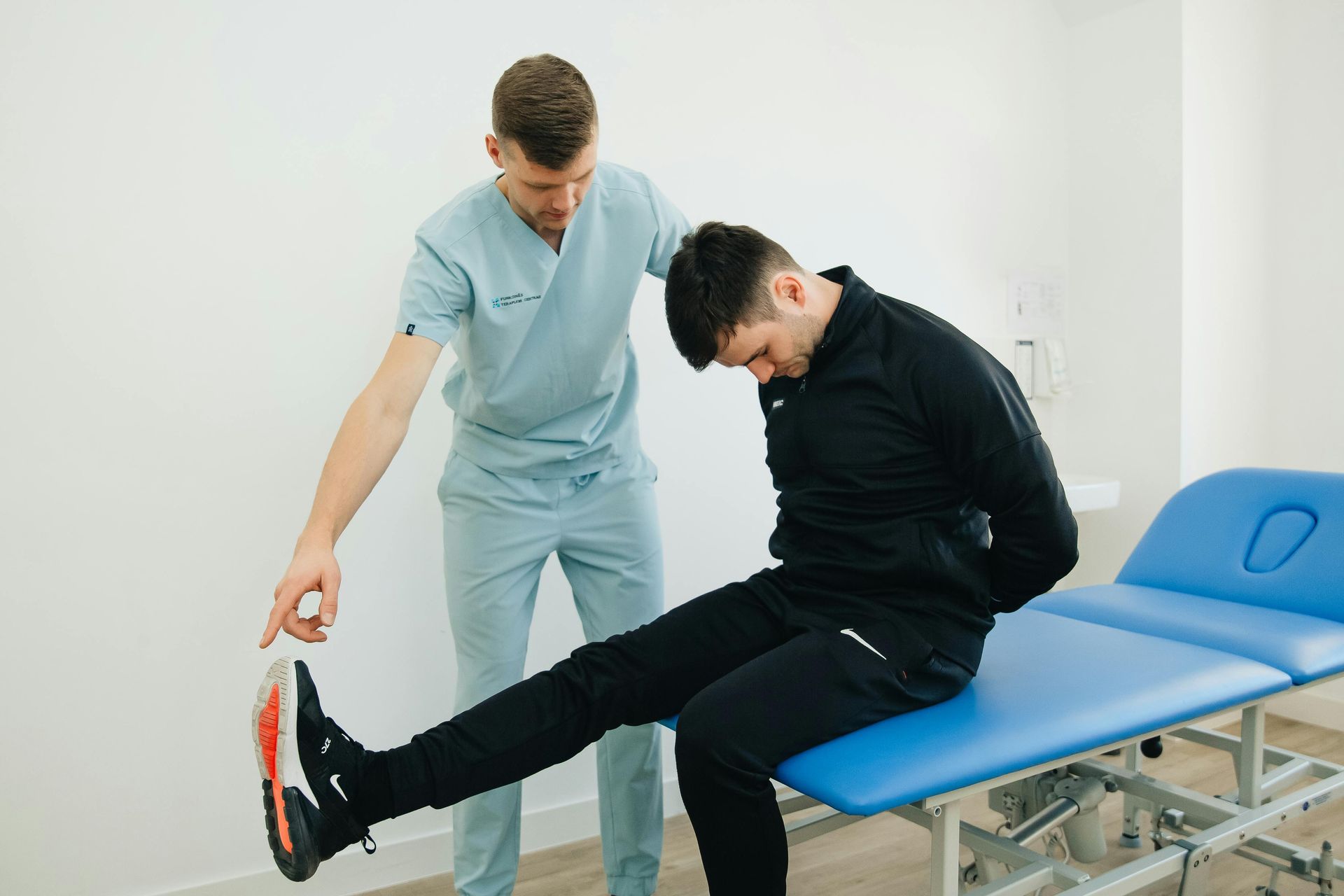
- Physical therapist-guided exercises
A tailored approach, often mixing lifestyle, therapies, and clinical care, can reduce discomfort and improve quality of life.
When to Seek Medical Care
You should talk to a clinician if you experience:
- Symptoms lasting more than a few weeks
- Increasing numbness or pain
- Loss of balance or frequent falls
- Sudden weakness or loss of sensation
Peripheral neuropathy can progress over time if not addressed, so early professional support is valuable.
Peripheral Neuropathy and Treatment Support from Dr. John P. Milham at Capital Region Integrative Health
At Capital Region Integrative Health, Dr. John P. Milham and his team focus on helping people who live with stubborn, chronic health conditions by looking beyond just symptoms and toward underlying causes. Our clinic’s approach is designed to support patients who may not have found relief through other treatments, with structured programs aimed at improving daily functioning and overall well-being.
If you’re exploring neuropathy support,
contact us at Capital Region Integrative Health to discuss your symptoms and treatment options with our team. We proudly serve
Albany and
Latham, NY; as well as the surrounding areas. Living with peripheral neuropathy can be challenging, but with the right strategies and support, many people find ways to manage symptoms and improve their quality of life. Whether through lifestyle changes, clinical care, or a combination of approaches, each step forward matters.